-
ARP project
Research question(BP1)
Rationale (BP2)
Research Methods (BP3)
Participant-facing documents (BP4)
Project Findings (BP5)
Ethics
Presentation
References

Action Plan

Categories
Blog Posts
Case Studies
Micro-teaching
Observations
General
Category Archives: Inclusive Practices
Favourite Quotes
“Once you think of creedal identities in terms of mutable practices and communities rather than sets of immutable beliefs, religion becomes more verb than noun. The identity is revealed as an activity not a thing and it’s the nature of … Continue reading
Posted in Inclusive Practices
Leave a comment
IP unit: Reflective Report
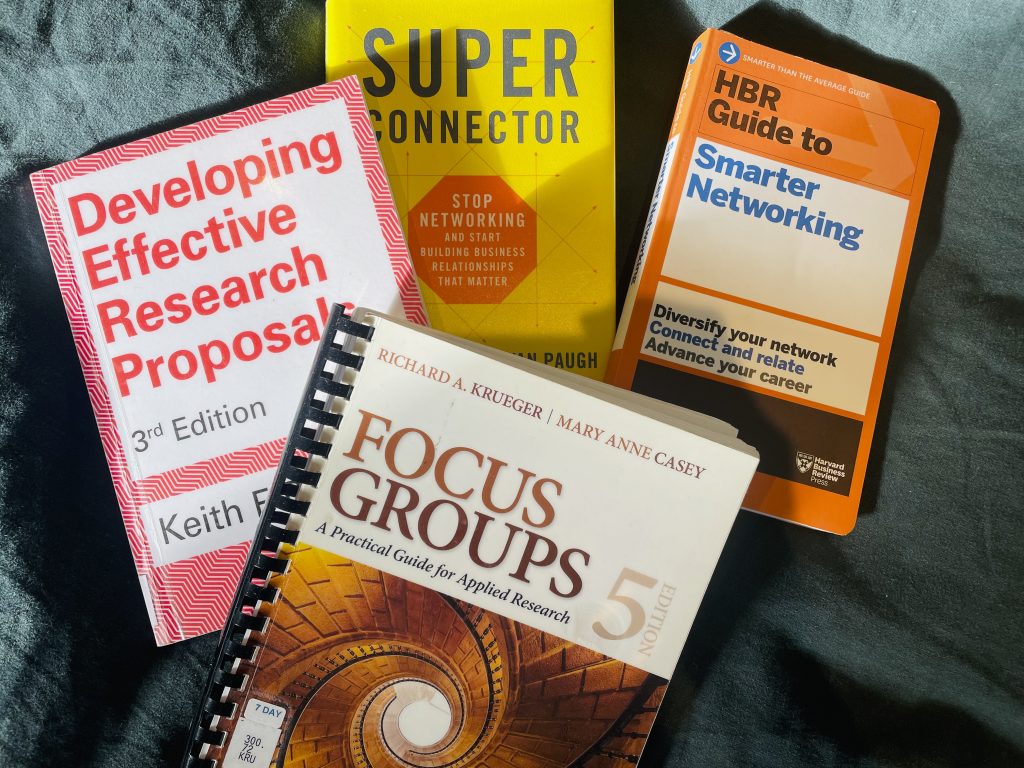
Intervention Connect Introduction My intervention, Connect, centres on students’ need to make meaningful emotional and professional connections during their study. It responds directly to data from our Course Student Survey (CSS, 2025), where 73% of students agreed there are insufficient … Continue reading
Posted in Inclusive Practices
2 Comments
Peer to peer feedback
Intervention Feedback from my peers “Establishing a network for students who don’t have one.” (Ignacia) “Access to experts is fantastic!”, “Can this be the start of a network that students can extend on?” (Kuljeet) “Network > Expert encounter UK!” , … Continue reading
Posted in Inclusive Practices
1 Comment
Blog Post 3
Addressing Racism What are meaningful activities that address and ultimately end institutional racism in Higher Education? How can we engage with, learn and teach about the topic without reinforcing stereotypes, institutional inequities, or triggering counterproductive fatigue? As a ‘white other’, … Continue reading
Posted in Inclusive Practices
4 Comments
Action Research Intervention Plan
Expert Encounter I’m planning an experimental, small-scale action research intervention, “Expert Encounter”, to improve the validity and quality of masters projects for MA Innovative Fashion Production students. It is designed to address the problem, identified in a teaching team meeting … Continue reading
Posted in Inclusive Practices
Leave a comment
Blog Post 2
Faith & Intersectionality “What are your values?”, our group tutor asked on the topic of faith. My teammate responded first: ‘I deeply care about equity’, which resonated with me. My answer was ‘I deeply care about empathy as a means … Continue reading
Posted in Inclusive Practices
3 Comments
Blog Post 1
Disability & Intersectionality How does an individual’s disability interact with their other identities? Crenshaw’s theory of Intersectionality provides a suitable prism for analysis as it frames the intersection as a legal and societal blindspot that has to be considered for … Continue reading
Posted in Inclusive Practices
8 Comments